
Women’s Agency and Economic Dependence
The Glass RoomThis flow traces how women negotiate desire, work, safety, and power within relationships shaped by class and gender.
increasing Bearing strength in each event
 decreasing
Bearing strength in each eventdecreasingKata’s Economic Choices

Survival and Self-Definition
Paid encounters
Kata accepts money from men when her wages cannot cover rent and the costs of raising Marika. She describes this without apology, insisting that the pressure of poverty changes what choices are available.
Her frankness refuses the moral judgment expected from more privileged characters.
Unequal power
The arrangement gives her income but leaves her vulnerable to clients and to the men who control access to money. She works to preserve agency within constraints she did not choose.
Hana’s Sexual Candor

Refusing Respectability
Speaking openly
Hana speaks freely about sex, affairs, and desire, challenging the polite silences around women’s lives. Her candor can be comic and disruptive, but it also reveals how narrowly respectable conduct is defined.
Liesel is both amused by and unsettled by Hana’s attitude.
Freedom and vulnerability
Hana’s openness does not make her invulnerable to heartbreak or political oppression. Her life shows that sexual autonomy can coexist with dependence, grief, and danger.
Eva’s Career Is Controlled

A Public Image and Private Constraint
The film star
Eva’s appearance in a film has made her recognizable, but it has also become a source of shame and control in her marriage. Fritz Mandl tries to suppress discussion and restrict her return to acting.
Her beauty and fame do not translate into freedom.
Escape through solidarity
Hana helps Eva leave, making a practical choice in support of another woman’s independence. The story shows how agency sometimes requires assistance from others.
Liesel’s Household Decisions
Duty and Choice
Bringing Katalin into the home
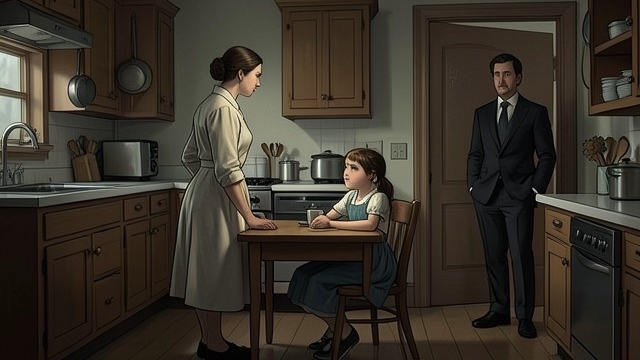
Liesel proposes that Katalin replace the departing nanny, offering safety and employment to a refugee mother. Her decision is shaped by concern for the children as well as a sense of responsibility.
She recognizes that Katalin is more than an employee, even as their relationship remains unequal.
Facing betrayal
When Liesel learns of Viktor’s affair, she chooses not to send Katalin away immediately. Her decision reflects a complicated effort to hold her family together without denying her own hurt.
Hana’s Confessions
Vulnerability After Experience
Speaking of loss
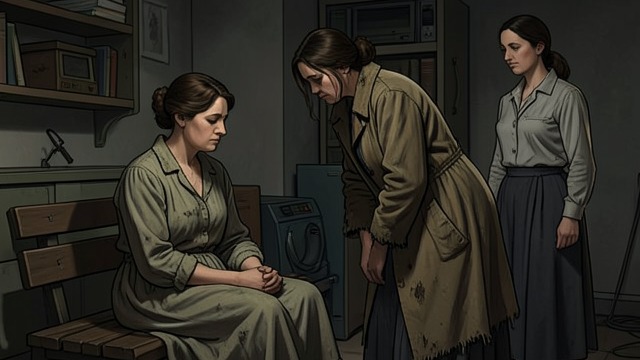
Hana tells Zdenka about Oskar, her imprisonment, and the daughter she lost at Ravensbrück. Her disclosures reveal the pain beneath a public persona built on wit and provocation.
The act of telling gives her a form of agency over a history that once silenced her.
Friendship as mutual recognition
Zdenka listens and offers comfort without turning Hana’s story into a lesson. Their relationship allows vulnerability to become a shared choice rather than an imposed spectacle.
During her life in Vienna
During her friendship with Liesel
During the dinner with Fritz Mandl
During the family’s exile
During her later friendship with Zdenka
